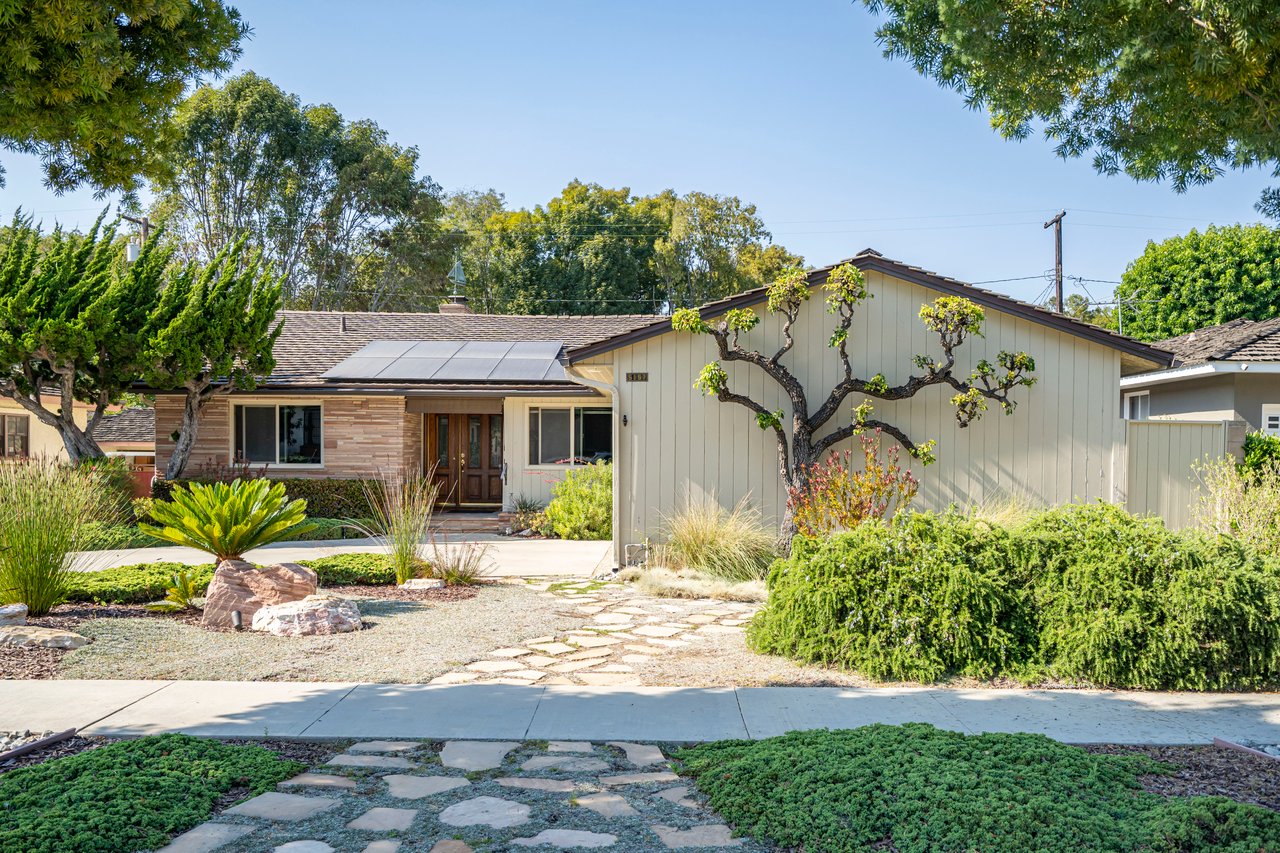
Managing a Long Beach Trust Property From a Distance
When the Property Is Local, but the Trustee Isn't
Serving as trustee comes with significant responsibilities. When the trust includes real estate in Long Beach and the trustee lives elsewhere, those responsibilities can become considerably more complicated.
A home may need attention long before it's ready to be listed. Personal belongings must be addressed, the property's condition evaluated, vendors coordinated, and decisions made about preparation, pricing, and ultimately, the sale.
For trustees managing these responsibilities from another city or state, having an experienced real estate professional on the ground can make an enormous difference.
The First Step: Understanding the Property
Before making decisions about repairs, improvements, or listing the home, it's important to understand what you're working with.
A local property evaluation can help establish:
The home's current condition and market position
Deferred maintenance or immediate property concerns
Comparable sales and neighborhood-specific values
Whether improvements are likely to justify their expense
A realistic timeline for preparing and marketing the property
Long Beach is not a one-size-fits-all real estate market. A waterfront property on Naples Island, a condominium in Marina Pacifica, and a longtime family home in Belmont Heights may require very different approaches.
Understanding those distinctions helps trustees make informed decisions without unnecessary expenditures.
Coordinating the Details From a Distance
One of the greatest challenges for an out-of-area trustee is managing the many tasks that require someone physically present.
Depending on the property's needs, local real estate coordination may include:
Arranging property access and condition assessments
Coordinating estate sales, donations, hauling, and clean-out
Obtaining bids and scheduling appropriate repairs
Overseeing vendors and property preparation
Coordinating staging, photography, and marketing
Providing updates to trustees and their attorneys
Managing inspections, buyer requests, and escrow milestones
The objective is to create an organized process with clear communication, allowing the trustee to remain involved in important decisions without personally managing every appointment or vendor.
Knowing What to Improve—and What to Leave Alone
Not every trust property benefits from extensive renovation.
In fact, one of the most valuable decisions may be determining what not to do.
A property that has been in the same family for decades may have dated finishes, deferred maintenance, or rooms filled with personal belongings. That doesn't automatically mean a major renovation is warranted.
Sometimes a thoughtful clean-out, modest repairs, professional cleaning, and strategic presentation are enough to position the home effectively.
Other properties may benefit from more substantial preparation.
The appropriate approach depends on the property's condition, its likely buyer, the trust's objectives, and the anticipated return on the investment.
The goal is to protect the property's market position without creating unnecessary cost, delays, or complications.
Understanding Trust Sales Versus Probate Sales
Although trust and probate property sales are often discussed together, they are not the same process.
A home properly held in a trust can generally be sold by an authorized trustee without going through probate, subject to the trust's terms and other applicable requirements.
Probate sales, by contrast, may involve court supervision, additional procedures, and potentially court confirmation, depending on the administrator's authority and the circumstances of the estate.
These distinctions can affect timing, documentation, and how the property is brought to market.
For a closer look at the real estate considerations, explore:
👉 Trust & Probate Real Estate Services in Long Beach
Communication Matters as Much as Coordination
When a trustee lives out of the area, communication becomes especially important.
The trustee should understand what's happening at the property, what decisions require attention, and how each step supports the overall sale strategy.
That may involve coordinating with estate planning attorneys, professional fiduciaries, beneficiaries, and other authorized parties while keeping responsibilities clearly defined.
An experienced local Realtor® can oversee the real estate logistics while the trustee and legal counsel retain responsibility for their respective decisions.
The result is a more manageable process with fewer surprises and greater continuity from preparation through closing.
A Home Is Often More Than an Estate Asset
For many families, the property represents decades of memories, ownership, and personal history.
Selling that home may mark the conclusion of an important chapter.
Trustees must balance those personal considerations with their responsibilities to the trust and its beneficiaries. That calls for a thoughtful approach—one that respects the property's history while remaining focused on sound real estate decisions.
Local knowledge, careful preparation, and consistent communication can help make that transition more manageable.
Managing a Long Beach Property From Out of the Area?
Whether the property is ready to sell or still requires evaluation and preparation, understanding the options early can help trustees make confident, informed decisions.
Ginette Skelton specializes in Long Beach trust and probate real estate, working with trustees, attorneys, and fiduciaries to coordinate property preparation, marketing, and the sale process locally.
For a confidential conversation about a property in Long Beach or the surrounding coastal communities, Ginette welcomes the opportunity to help.
Trust & Probate Real Estate Specialist
562-225-5658
[email protected]
www.GKnowsRealty.com